What to know about Norwood planning permits for garden work
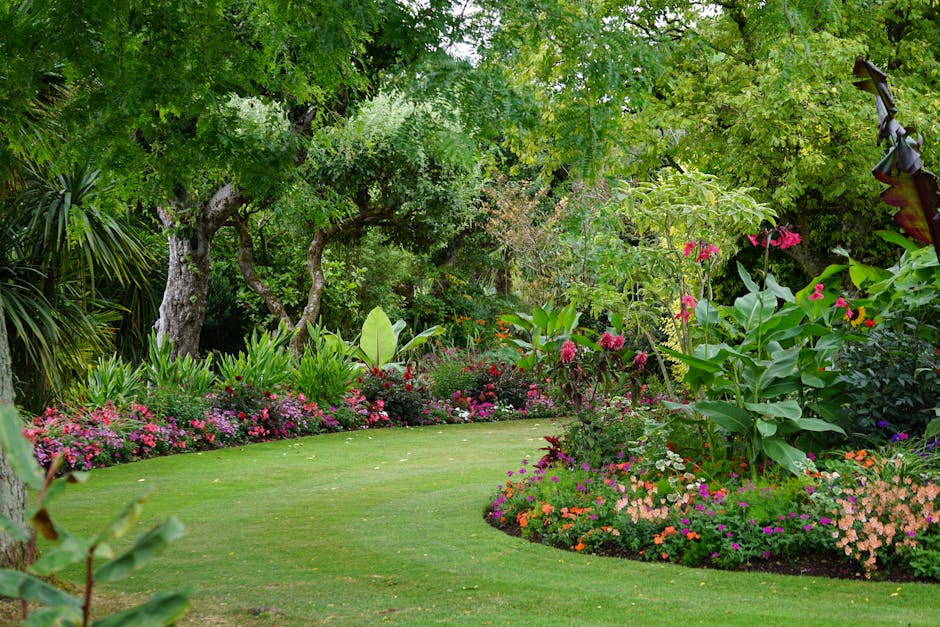
If you are planning a garden project in Norwood, the last thing you want is a beautiful new patio, fence, or outbuilding turning into a paperwork headache. What to know about Norwood planning permits for garden work comes down to one simple idea: some garden changes are routine, while others may need planning permission, permitted development checks, or a closer look at local rules. The tricky part is that garden work often looks simple from the outside, but once you add height, boundaries, drainage, trees, decking, or a structure near the house, the rules can shift quickly.
This guide walks you through the practical side of the issue in plain English. You will learn when permits are worth checking, how the process usually works, what kinds of jobs are more likely to raise questions, and how to avoid delays, refusals, or expensive rework. Let's face it, most people do not want to find out the hard way.
Why Norwood planning permits for garden work matter
Garden projects are one of those jobs that can look harmless right up until they are not. A new shed, taller fence, raised terrace, retaining wall, or a sizeable landscaping scheme may affect neighbours, drainage, access, appearance, or even protected features like trees. That is why planning permits matter. They help make sure your work is appropriate for the site, consistent with local expectations, and less likely to cause problems later.
In Norwood, as in much of London, outdoor space is valuable and often tight. Homes sit close together. Boundaries are shared. Access can be awkward. Noise travels. A project that seems minor on paper can have a bigger impact than people expect. A wet Tuesday morning with rubble in a front garden and nowhere to place it is a very different experience from looking at a neat sketch in a kitchen. That gap between idea and reality is where planning knowledge earns its keep.
Planning permission is not always needed for garden work, and that is reassuring. But knowing when to check is what saves time. It also helps you plan the design properly, budget realistically, and avoid the awkward conversation of having to undo completed work. If you are already looking at broader outdoor improvements, it may help to review the wider range of garden and landscaping services before deciding how to phase the job.
Expert summary: the safest approach is not to assume a garden project is exempt. Check the size, height, location, and impact of the work first, then decide whether planning advice is needed. Small checks early can prevent big problems later.
How Norwood planning permits for garden work works
The process usually starts with a very practical question: what exactly are you changing? Not the general idea, the actual detail. Councils and planning officers tend to look at what the work will do to the site rather than what you call it. A "garden refresh" might include levelling, retaining walls, paving, lighting, drainage, and a pergola. One of those alone may be fine; together, they can become a more significant alteration.
In broad terms, the steps are straightforward:
- Identify the work - write down everything involved, including measurements, materials, height, and placement.
- Check whether it is exempt, permitted development, or likely to need permission - some jobs fall under normal domestic changes, others do not.
- Review constraints - conservation considerations, tree protection, boundary issues, drainage, and prior planning conditions can all matter.
- Prepare supporting details - sketches, photos, and a simple site plan often help clarify what is proposed.
- Submit or confirm advice - if permission is needed, the application should be accurate and consistent; if not, keep a record of why you believed it was exempt.
A lot of DIY frustration comes from skipping step two. People assume a small wall, deck, or outbuilding is automatically fine. Sometimes it is. Sometimes it is not. A quick check can save a lot of back-and-forth. If the project is more complex, especially where ground levels or access are changing, it can be sensible to speak to a professional team such as the one described on the landscape gardening page or, for broader site changes, the landscaping service.
Garden maintenance is a different matter. Routine tasks like mowing, trimming, and clearance generally do not trigger planning questions on their own. For ongoing upkeep, you may want to look at garden maintenance, lawn mowing, or hedge trimming. These are the sort of jobs that keep a space in good shape without usually changing its planning status.
Key benefits and practical advantages
Checking planning requirements before garden work is not just about compliance. It makes the whole project better. You get a clearer scope, fewer surprises, and usually a more sensible design. That may sound a bit dull, but dull is good when it prevents a rejected proposal.
- Lower risk of enforcement issues - if work needs permission and you have not checked, you may be asked to alter or remove it.
- Better design decisions - knowing the constraints early helps with height, layout, screening, and materials.
- More accurate pricing - once the scope is clear, you are less likely to be hit by avoidable extras.
- Smoother neighbour relations - projects that consider boundaries, overlooking, and drainage tend to cause fewer disputes.
- Long-term usability - a well-planned garden is easier to maintain, safer to use, and more enjoyable through the seasons.
There is also a psychological benefit. Once you know where you stand, you can move forward with confidence. No guesswork, no nervous "I hope this is okay" feeling every time you look at the new structure from the kitchen window.
For projects that involve significant waste removal or a full reset of the space, looking at garden clearance can be a practical first step. Clearing the site properly often reveals what is actually possible, which is half the battle.
Who this is for and when it makes sense
This topic matters for a wide range of people, not just homeowners with ambitious plans. If you are altering a front garden, reshaping a rear terrace, replacing boundaries, or adding structures, the planning side deserves attention. It is especially relevant if your property is close to others or if the work might change the appearance of the street.
You are likely to need a closer look at permits if you are:
- installing a large deck, raised platform, or terrace;
- building a shed, outbuilding, studio, or garden room;
- raising or lowering ground levels significantly;
- putting in walls, fences, gates, or screening that are higher than expected;
- working near trees that may be protected or subject to controls;
- changing drainage patterns or hard surfacing in a way that may affect runoff;
- carrying out a wider landscape redesign rather than simple maintenance.
By contrast, smaller routine jobs usually sit on the lighter side of the scale. A lawn cut, hedge trim, seasonal tidy-up, or pruning session normally does not call for planning permission. That is why ordinary upkeep and structural changes are treated so differently. If the work is about keeping things neat, you are often in the clear. If the work changes the garden's footprint, height, or form, pause and check.
To be fair, many people only realise this once they start drawing out the project on paper. Then the questions arrive all at once. Can the deck be raised? Does the boundary wall count? What about that old tree stump? Better to ask before you buy the materials.
Step-by-step guidance
Here is a practical way to handle planning checks without overcomplicating things.
- Define the job clearly
Write down what the garden work involves. Include rough measurements, location within the garden, and whether the work is replacing something existing or creating something new. - Separate maintenance from development
Routine maintenance is usually straightforward. Structural changes, raised levels, or permanent features deserve more scrutiny. - Look for planning triggers
Height, size, proximity to boundaries, appearance from the street, drainage changes, and tree impacts are the big ones people miss. - Check whether your property has constraints
Some homes have planning conditions, conservation-style sensitivities, or tree-related restrictions that affect even modest work. - Gather simple evidence
Photos, a sketch plan, and approximate dimensions can help you or your contractor spot issues early. - Get the work costed realistically
Before committing, review quotes and timelines. If the design changes, the price may change too. The pricing and quotes page is a useful reminder that clear scope leads to clearer costs. - Confirm how the garden waste will be handled
Soil, branches, old timber, and broken paving all add disposal considerations. If the project is large, plan for recycling and sorting from the start. - Keep records
Save drawings, emails, approvals, and notes. If questions arise later, having a clear paper trail helps a lot.
If you are hiring help, ask them how they approach compliance and site preparation. A contractor with good habits will not rush past the awkward questions. They will check boundary conditions, measure properly, and say "let's confirm that" more often than "it'll be fine." That is a good sign.
Expert tips for better results
There are a few habits that make garden projects much smoother in practice. They are not glamorous, but they work.
- Measure twice, design once - especially for decks, walls, and sheds. A few centimetres can matter more than you think.
- Check the street view - if a feature will be visible from the road, treat it as more likely to attract planning attention.
- Consider water flow - new paving or level changes can move water to places it should not go. That becomes a problem fast.
- Keep neighbours in the loop - even when no formal permission is required, early notice can reduce friction.
- Plan access and storage - in tight London gardens, where tools, materials, and waste go is half the job.
- Use the right service for the right task - routine upkeep, major clearance, and structural landscaping are not the same thing.
A small real-world example: a client thinks they want a new patio. After a proper look, it turns out the better solution is a slightly lower terrace with better drainage and a modest retaining edge. Less visual bulk, less stress, and usually easier to live with. That kind of adjustment is common. It is also where experience pays off.
If the project includes timber structures or platforms, decking services can be useful, but only when the design suits the site. A deck that looks fine on a sunny sketch can feel oversized once installed. A bit of restraint goes a long way.
Common mistakes to avoid
Most planning headaches in garden work come from predictable errors. The good news is that they are avoidable.
- Assuming small means exempt - a small structure can still matter if it sits in the wrong place or reaches the wrong height.
- Ignoring existing restrictions - old planning conditions, tree controls, or boundary issues can override a "normal" approach.
- Starting before checking - this is the big one. Once work begins, options narrow quickly.
- Forgetting drainage - hard landscaping without proper water management is asking for trouble.
- Overlooking neighbours' privacy - new raised elements and tall screens can change overlooking and daylight in ways people notice immediately.
- Using vague descriptions - "garden improvements" is not enough. Be precise.
- Mixing maintenance with building work in one assumption - mowing is not the same as constructing a platform. Obvious, yes, but it gets blurred surprisingly often.
Truth be told, many problems happen because the project grows. A simple tidy-up becomes clearance, which becomes surfacing, which becomes a retaining wall, which becomes a planning question. That is why a phased approach helps. Make the small decisions first, then move to the bigger ones.
Tools, resources and recommendations
You do not need complicated software to check whether a garden project is likely to need permission. A few practical tools are enough.
- Measuring tape and notebook - still the basics, still the best place to start.
- Phone photos - take pictures from the garden, the boundary, and the street so you can show context clearly.
- Simple sketch plans - even a hand-drawn plan can help if it is labelled well.
- Material samples - useful when trying to judge how visible or heavy a feature will look once installed.
- Contractor site visit - sometimes a fresh pair of eyes spots something obvious that the owner has gone blind to after weeks of thinking about it.
If the space is being redesigned rather than just tidied, a broader landscaping or landscape gardening conversation is often the best starting point. Those services can help you balance appearance, function, and practical constraints before you get too deep into the build.
For projects that generate a lot of cuttings, soil, or old hard materials, it is also worth thinking about disposal and reuse early. The recycling and sustainability page is a useful reminder that good garden work should leave a lighter footprint where possible. That tends to be better for the garden, and honestly, better for your stress levels too.
Law, compliance, standards and best practice
Garden work can touch on several compliance areas, even when the main job feels straightforward. The exact rules depend on the property, the type of work, and the local context, so careful checking matters more than assumptions. In the UK, planning permission is only one part of the picture. You may also need to think about building-related considerations, boundary responsibilities, drainage, tree protections, and safe working practices.
Here is the plain-English version:
- Planning permission may be relevant where the work changes the use, scale, or appearance of outdoor structures or land.
- Permitted development can apply to some garden structures or alterations, but only within limits and subject to conditions.
- Tree-related controls can affect lopping, removal, or work near protected trees.
- Boundary and neighbour issues matter when fences, walls, or access routes are involved.
- Health and safety should be part of the plan whenever heavy tools, height, digging, or disposal work are involved.
That is why reputable contractors take a careful, measured approach. They do not just turn up with tools and start moving earth. They look at the site, confirm the scope, and think ahead. If you want reassurance on safe working standards, it is worth reviewing the company's health and safety policy and insurance and safety information before work begins.
For tree-heavy gardens, work can become more sensitive quite quickly. If branches, trunks, or roots are part of the project, tree lopping and removal may be relevant, but it is exactly the sort of task where permissions and protections must be checked first. A hasty cut can cause more than one regret.
Options, methods and comparison table
Not every garden project needs the same level of planning attention. Sometimes the right answer is simple maintenance. Sometimes it is clearance. Sometimes it is a full redesign with permission checks. Here is a basic comparison to help you think clearly.
| Type of garden work | Typical planning risk | Best for | Notes |
|---|---|---|---|
| Routine maintenance | Low | Keeping the garden tidy and functional | Usually includes mowing, hedge trimming, pruning, and seasonal care. |
| Garden clearance | Low to moderate | Resetting an overgrown or cluttered space | Usually does not need permission, but disposal and access need planning. |
| Landscaping changes | Moderate | New layout, hard surfaces, and planting schemes | May trigger checks if levels, drainage, or structures change significantly. |
| Decking or raised platforms | Moderate to high | Usable outdoor seating and entertaining areas | Height, size, and visibility matter a lot. |
| Tree work | Moderate to high | Safety, light, access, or garden health | Often needs extra caution because of protections and neighbour impact. |
This comparison is not a substitute for checking the facts on your site, but it gives a sensible first filter. If in doubt, move from "it looks easy" to "let's confirm the detail." That one shift saves trouble.
Case study or real-world example
A typical Norwood project might start as a request to tidy a tired back garden. The owner wants more usable space, less clutter, and somewhere dry to sit in the evening. At first glance, it sounds like a standard clearance job. Once the site is inspected, though, the ground slopes more than expected, the rear boundary needs attention, and there is a mature tree near the proposed seating area.
What happens next? The project is broken into parts. First, the old materials are cleared. Then the levels are checked. The design is adjusted so the new surface sits comfortably without creating a bulky raised edge. The tree is assessed before any cutting is discussed. The final plan ends up being a little less ambitious than the original sketch, but much more practical and far less likely to create a planning problem.
That is the kind of project that goes well because the process respects the site. No drama. No rash promises. Just a sensible sequence. A bit boring, maybe. But boring and compliant is a lovely combination when you are paying for garden work.
In cases like this, it can help to combine garden clearance with a broader design review rather than treating each stage separately. It saves time, and it usually produces a better result.
Practical checklist
Use this checklist before starting any garden work in Norwood that could move beyond routine maintenance:
- Have I written down exactly what I want to change?
- Does the work affect height, level, drainage, or footprint?
- Will the finished result be visible from the street or nearby properties?
- Could the project affect trees, roots, or protected planting?
- Are fences, walls, decks, or outbuildings involved?
- Do I know whether there are any site-specific conditions or restrictions?
- Have I asked for measurements, drawings, or a simple plan?
- Have I checked how waste, spoil, and materials will be handled?
- Do I understand the likely cost before work starts?
- Have I kept records of advice, approvals, and quotes?
If you can tick most of these off, you are in a much better position. If a few remain blank, stop and fill in the gaps before moving forward.
Conclusion
The main thing to know about Norwood planning permits for garden work is that the rules are less about the word "garden" and more about what the work actually changes. Routine upkeep is usually simple. Structural, raised, visible, or tree-related work deserves a closer look. That does not mean your project will be difficult. It just means it should be handled with a bit of care from the start.
When you check early, you protect your budget, your timeline, and the final result. You also make it easier to choose the right service, whether that is maintenance, clearance, landscaping, or something more tailored. If you are still shaping the brief, the most sensible next step is to gather measurements, take a few photos, and talk through the project with someone who understands the practical side as well as the planning side.
Get a free quote today and see how much you can save.
And if the decision feels a bit messy right now, that is normal. Gardens rarely begin with perfect clarity. They begin with an idea, a boundary, a bit of soil under the nails, and then they become real.
Frequently Asked Questions
Do I always need planning permission for garden work in Norwood?
No. Many garden jobs, especially routine maintenance, do not need planning permission. Mowing, hedge trimming, general tidy-ups, and similar work are usually straightforward. The point is to check whether the work changes the size, height, structure, or appearance of the garden in a way that might trigger a permit.
What kind of garden work is most likely to need a permit?
Larger changes are the main ones to watch. Decking, raised platforms, outbuildings, significant level changes, walls, fences, and drainage-related alterations are the usual suspects. Tree work can also need careful checking if there are protections in place.
Is landscaping the same as planning permission?
No. Landscaping is the work itself; planning permission is the legal check that may apply to that work. Some landscaping projects are routine and need no permission. Others involve structures or changes that do need scrutiny. The two are related, but not the same thing.
How do I know if my garden project is too big to be simple maintenance?
A good rule of thumb is this: if the work changes the layout, levels, boundary treatment, or permanent features, it is no longer just maintenance. At that point, check whether the project could fall under planning rules or other controls.
Can I build a deck without planning permission?
Sometimes yes, sometimes no. It depends on the size, height, location, and overall impact of the deck or platform. Raised structures tend to draw more attention than ground-level features, so it is worth checking before you start buying timber.
What should I do before removing a tree in my garden?
Check whether the tree is protected or whether any local controls apply. Tree removal and lopping can be sensitive because of safety, wildlife, neighbour impact, and legal restrictions. If in doubt, seek professional guidance before cutting.
Do I need permission for a new fence or wall?
Possibly. Fence and wall height, position, and context matter. A boundary feature that seems simple can still raise issues if it is too tall, in a sensitive location, or affects visibility and privacy.
Will garden clearance ever need planning permission?
Usually not on its own. Clearance is often about removing waste, overgrowth, or old materials. But if the clearance is part of a larger redesign that includes new structures, levels, or surfaces, then the overall project may need review.
What records should I keep if I go ahead with garden work?
Keep measurements, sketches, photos, quotes, approval emails, and any notes about advice you received. It sounds a bit fussy, but those records are very useful if questions come up later.
How much does it cost to check or prepare for planning-related garden work?
Costs vary by project size and complexity. A simple check may only need a short site review and quote. A more involved project may need drawings, extra site visits, or phased work. The safest approach is to request a clear quotation early so you understand the scope before committing.
What is the best first step if I am unsure?
Start with a clear description of the work, a few photos, and rough measurements. Then speak to a professional who can help separate routine maintenance from anything that may need planning attention. That first conversation often clears up more than people expect.
Can a garden project affect my neighbours even if it is on my land?
Yes, absolutely. Height, drainage, noise, overlooking, and access can all affect neighbouring properties. Good planning is not only about rules; it is also about making sure the finished space sits well in the real world.