West Norwood gardeners for SE27 homes and flats: a practical guide for busy households
If you live in SE27, you already know the gardening reality can be a bit mixed. Some homes have compact front gardens that need neat, regular care. Some flats have balconies, small shared courtyards, or awkward access that make even simple jobs feel like a faff. That is exactly where West Norwood gardeners for SE27 homes and flats earn their keep: making outdoor spaces look cared for, feel usable, and stay on top of seasonal growth without turning your week upside down.
This guide walks through what local gardening support usually includes, how it works in practice, what to watch out for, and how to choose the right approach for your property. You will also find a checklist, a comparison table, and a realistic example so you can decide what makes sense for your home, not just in theory but in the real world-where the bins are in the way and the rain arrives just as you were about to trim the hedges.
Why West Norwood gardeners for SE27 homes and flats Matters
Gardens in West Norwood are rarely one-size-fits-all. You get a lot of variety in SE27: terraced houses with slim back gardens, maisonettes with split-level outside space, ground-floor flats with shared borders, and newer developments with balcony planters that look simple until the weather takes over. Local gardening help matters because these spaces need different kinds of care, and they usually need it at different rhythms.
A good gardener does more than cut grass. They notice drainage issues after heavy rain, work around narrow side passages, manage overgrown shrubs before they block light, and keep planting realistic for the amount of sun a space actually gets. That last part is often overlooked. A shaded north-facing courtyard with thirsty plants is a bit like putting a winter coat on a toaster. Not ideal.
For flats, the value is even more practical. Shared access, limited storage, and building rules can all make garden upkeep awkward. A reliable local gardener understands how to work efficiently, keep disturbance low, and leave communal areas tidy. That helps residents, landlords, and managing agents alike.
It also helps protect property value and liveability. A well-kept outside area simply makes a home feel calmer. You notice it when you step out for a cup of tea on a mild evening and the space doesn't feel like a chore waiting to happen.
How West Norwood gardeners for SE27 homes and flats Works
In practice, local gardening support usually starts with a short conversation about the space, what is bothering you, and what outcome you want. Is it a one-off tidy-up? A monthly maintenance visit? A complete reset after a long period of neglect? The answer changes the job quite a lot.
For homes, a gardener may assess lawns, borders, hedges, paths, and planting beds. For flats, the focus is often on containers, balcony planting, communal edges, privacy screening, and keeping outdoor areas safe and presentable. If there are shared rules or access restrictions, those are usually factored in before any work begins. That sounds obvious, but it saves a lot of hassle later.
Many clients prefer a seasonal plan rather than ad hoc callouts. Spring and early summer often need more frequent visits because growth accelerates quickly. Autumn may involve leaf clearance, cutting back, and preparing beds for winter. Winter is quieter, but not dead time. It is when planning, pruning decisions, and structural maintenance become useful.
If you want to understand the wider range of help available, it can be useful to review the services overview before booking anything. And if you are comparing providers, it is sensible to check the business background on the about us page so you know who you are dealing with.
Key Benefits and Practical Advantages
There are plenty of reasons SE27 residents look for local gardening support, but the strongest ones are usually practical.
- Better use of limited space. Small gardens and flats benefit from planting and layout decisions that make every square metre count.
- Regular control of growth. Hedges, climbers, and fast-growing borders can look unruly very quickly in London's mild conditions.
- Less stress for busy households. If you work long hours or split your time between locations, it is easy for outdoor upkeep to drift.
- Safer, tidier access. Clear paths, properly cut back plants, and uncluttered entrances matter, especially for shared buildings.
- Better planting choices. Not every plant belongs in every space. A local gardener can help choose options that suit shade, wind, drainage, and maintenance levels.
- Cleaner seasonal transitions. Tidy borders in spring and sensible cut-backs in autumn make a huge difference to how a space feels.
There is also a quieter benefit: consistency. A garden that is looked after regularly tends to stop throwing surprises at you. No sudden hedge takeover. No mystery patch of weeds turning into a project. Just a space that stays manageable. To be fair, that is what most people want more than anything else.
If you are planning regular work, it is worth reviewing pricing and quotes early so you can understand how visits are structured and what is included. That makes it easier to compare options honestly instead of guessing.
Who This Is For and When It Makes Sense
West Norwood gardeners for SE27 homes and flats are a strong fit for a few clear situations.
Homeowners often need help with maintenance that has become too much for weekends. Maybe the garden looked manageable in March and then, somehow, June arrived and everything took off at once. A gardener can get it back under control and keep it that way.
Tenants may need support with outdoor upkeep where lease terms or landlord expectations require the space to be kept tidy. If access is limited or equipment storage is difficult, professional help can be the simpler option.
Landlords benefit when gardens are presentable between tenancies or during long lets. A tidy outdoor area helps with viewings and reduces avoidable complaints. Nobody wants to show a flat with a weed jungle at the back.
Managing agents and freeholders may need reliable maintenance for shared spaces, boundary edges, and entrances. In those settings, consistency and communication matter as much as the gardening itself.
Older residents or people with mobility limitations often want dependable help with jobs that have become physically awkward. This is one of those cases where asking for support is not indulgent; it is just sensible.
And sometimes the need is seasonal rather than ongoing. A pre-sale tidy-up, a spring refresh, or a post-holiday reset can make all the difference. Truth be told, a single good visit can change how the whole property feels.
Step-by-Step Guidance
If you are arranging garden help in SE27, a simple process usually works best.
- Walk the space first. Note what is urgent: weeds, overgrowth, lawns, leaves, broken branches, tired planters, or drainage problems.
- Decide the outcome. Do you want a one-off tidy, a reset, or ongoing maintenance? Be specific if you can.
- Check access and logistics. Think about gate widths, stair access, communal entrances, storage, parking, and waste removal.
- List priorities. If everything is not possible in one visit, decide what matters most. Light, privacy, safety, and presentation are usually top contenders.
- Request a clear quote. Ask what work is included, what materials are extra, and how timing is handled if the space takes longer than expected.
- Agree the practical details. Water access, disposal of green waste, preferred working times, and any building rules should all be covered early.
- Review after the first visit. A good gardener will adjust the plan if the space needs more frequent visits or a different approach.
That first walk-through is often where the best decisions are made. A small courtyard with too much shade may need plant replacement rather than more trimming. A long rear garden might need staggered maintenance rather than one dramatic overhaul. Little adjustments, big impact.
If you want a smoother start, use the company's contact us page to describe the space as clearly as you can. A few decent photos, mention of access issues, and your preferred schedule will save everyone time.
Expert Tips for Better Results
Small choices make a large difference in gardens around West Norwood. Here are the habits that usually lead to better results.
- Work with the light. SE27 gardens vary a lot. Before choosing plants, watch where the sun actually lands across the day. A patch that looks bright at noon may be gloomy by late afternoon.
- Use containers strategically. For flats and compact patios, good pots are not just decoration. They let you control soil quality and move plants if conditions change.
- Keep a simple seasonal rhythm. Regular tidy-ups prevent the kind of overgrowth that turns into a full-day rescue job.
- Don't overplant. It is easy to cram in too much. Leave room for mature size, airflow, and maintenance access.
- Think about how the space feels at eye level. People often focus on the ground, but for flats and small gardens, screening, height, and sightlines matter hugely.
- Choose lower-fuss plants where life is busy. A beautiful garden that needs constant fussing is not always the right answer.
One quiet trick: photograph the garden in different seasons. You will spot patterns you miss in the moment. A border that seems fine in May may look bare in November, and that is useful information rather than a disappointment.
Professional gardeners also tend to plan waste handling responsibly. If sustainability matters to you, have a look at the business's recycling and sustainability approach. It gives a sense of how green waste and materials are managed.
Common Mistakes to Avoid
Garden work in small urban spaces can go sideways for simple reasons. Most of them are avoidable.
- Booking the wrong type of visit. A maintenance visit is not the same as a full clearance. If you need a reset, say so clearly.
- Ignoring access issues. Narrow stairs, locked communal gates, and no-parking zones can affect how long the job takes.
- Choosing plants without considering the site. Lovely in theory. A headache in practice.
- Skipping regular upkeep after the first tidy. Gardens often look great once and then drift. A bit like the spare room, only outdoors.
- Not clarifying waste removal. Green waste piles up fast, especially after hedge cutting or pruning.
- Expecting perfection from poor conditions. Some spaces are shaded, exposed, or shallow-soiled. Good gardening makes them better, not magical.
A common mistake in flats is assuming containers are low maintenance. They are not, really. They dry out fast, can be windblown, and need feeding, pruning, and occasional replacement. They are manageable, yes. Zero-effort? Not quite.
Tools, Resources and Recommendations
You do not need a shed full of equipment to manage a small garden well. You do need the right basics, and you need them used consistently.
| Task | Useful tools or materials | Why it helps |
|---|---|---|
| General tidy-up | Secateurs, shears, rake, gloves, bags | Keeps light pruning and clearing efficient |
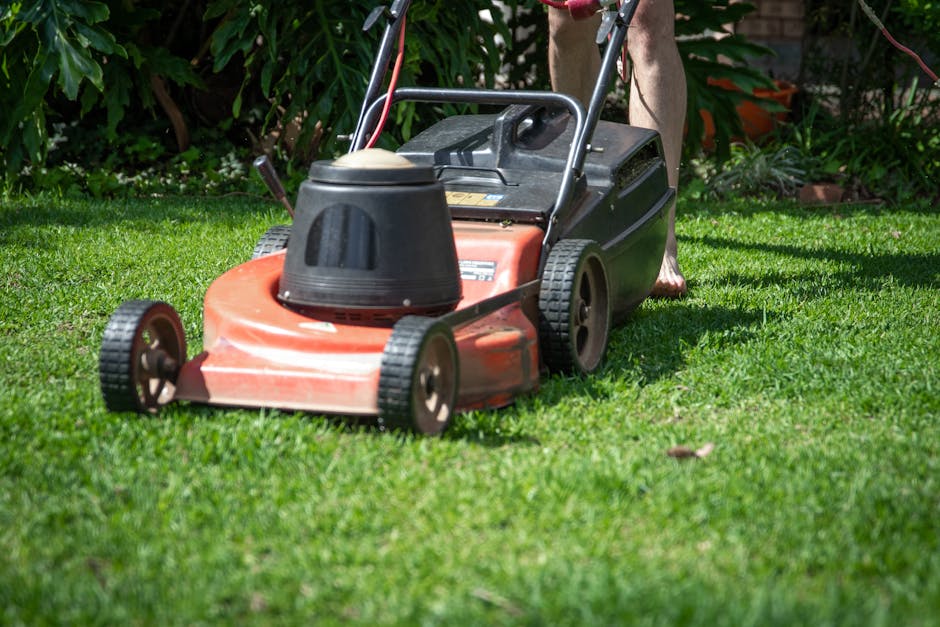
| Lawn care | Mower, edging tool, feed, scarifier where suitable | Supports cleaner lines and healthier grass |
| Container gardening | Quality compost, watering can, saucers, slow-release feed | Improves plant health in small spaces |
| Pruning and shaping | Sharp cutters, loppers, support ties | Reduces damage and makes neat results more likely |
| Waste handling | Reusable sacks, compostable bags where appropriate, segregation bins | Makes clearing quicker and cleaner |
If you are comparing options, start with the practical stuff rather than the sales pitch. What do they actually do? How do they handle waste? Do they understand flats and shared access? Can they explain the work plainly? That matters more than fancy wording.
For wider service planning, the services overview can help you map your needs to the right type of visit. And if you are uneasy about how a company handles administration or payments, the payment and security page is a sensible place to check first.
Law, Compliance, Standards, or Best Practice
Garden maintenance itself is usually straightforward, but there are still sensible standards to keep in mind, especially around safety, access, waste, and responsibility in shared properties.
For domestic work, the big issues are typically practical rather than legal drama. A gardener should work safely, avoid damage, respect access arrangements, and dispose of waste appropriately. In properties with multiple residents, courtesy and communication are part of good practice too. No one enjoys a loud morning surprise outside their bedroom window.
If a contractor is using ladders, power tools, or working near difficult access points, sensible safety procedures matter. You should expect clear handling of risk, insured work where appropriate, and a tidy finish. That is part of normal professional practice. If you want reassurance before booking, review the company's health and safety policy and insurance and safety information.
For landlords and shared buildings, it is also wise to keep records of agreed work, visit frequency, and any special access notes. Simple notes avoid confusion later. Sometimes the best compliance tool is just a decent email thread. Not glamorous, but effective.
Where complaints or service issues ever arise, it helps to know there is a proper process in place. That is one reason many people check a provider's complaints procedure before they commit.
Options, Methods, or Comparison Table
Different properties need different approaches. Here is a simple way to compare the main options.
| Approach | Best for | Strengths | Watch-outs |
|---|---|---|---|
| One-off tidy-up | Overgrown gardens, pre-sale prep, seasonal reset | Fast improvement, clear visible impact | Needs follow-up if growth is strong |
| Regular maintenance | Busy households, flats, shared outdoor spaces | Keeps standards consistent, prevents build-up | Requires a routine and ongoing budget |
| Planting refresh | Shady courtyards, tired borders, balcony planters | Improves appearance and plant suitability | May need seasonal adjustments |
| Full garden redesign support | Spaces that are awkward, underused, or hard to manage | Can solve layout problems, not just cosmetic ones | Takes more planning and usually more time |
For many SE27 homes and flats, the best answer is a mix. A one-off clearance followed by lighter maintenance is often more cost-effective than trying to force a badly overgrown space into shape every few months. Why keep fighting the same battle?
Case Study or Real-World Example
Here is a realistic local scenario. A ground-floor flat in SE27 has a small rear courtyard shared by two households. It has a few containers, a patch of tired paving, and one border that keeps filling with weeds after every wet spell. Nothing dramatic, but enough to make the space feel neglected.
The first visit focuses on clearing weeds, trimming back a couple of shrubs that were swallowing light, and resetting the containers with fresher compost. The second step is more interesting: instead of adding lots of plants, the gardener reduces clutter, improves the layout, and chooses low-maintenance planting that suits partial shade. Suddenly the courtyard feels wider. Cleaner. More intentional.
A month later, the shared area is still manageable because the upkeep plan is realistic. Not perfect, just realistic. That is the secret, really. A good garden in a flat setting is usually not about having more stuff. It is about having the right stuff, in the right place, with enough room to breathe.
In that kind of project, local knowledge helps because you are dealing with London shade, urban shelter, awkward access, and the everyday realities of communal living. You do not need a fantasy garden. You need one that works on a Tuesday morning.
Practical Checklist
Before you book gardening help for a West Norwood home or flat, run through this checklist.
- Do I need a one-off tidy, regular maintenance, or a bigger reset?
- Have I identified the main problem areas?
- Is access clear enough for tools, waste removal, and safe movement?
- Have I checked whether the space is private or shared?
- Do I know what matters most: presentation, safety, privacy, or plant health?
- Have I reviewed service scope and quote details?
- Are there building rules, landlord requirements, or neighbour considerations?
- Have I thought about seasonality and how often the space will need upkeep?
- Do I understand how waste and green cuttings will be handled?
- Have I checked the provider's policies where needed, including safety and payments?
If you can tick most of those off, you are already ahead of the game. That small bit of preparation often makes the first visit smoother and the results better.
Get a free quote today and see how much you can save.
Conclusion
West Norwood gardeners for SE27 homes and flats are not just about appearance. They help make outdoor spaces manageable, safer, and more enjoyable to use. For homes, that can mean a garden that finally feels under control. For flats, it can mean balconies, courtyards, and shared areas that work properly without becoming a source of stress.
The most successful outcomes usually come from being clear about what you need, honest about access and space limitations, and realistic about how much ongoing care the area will need. A good local gardener will understand those trade-offs and help you make choices that suit the property, not some ideal version of it.
If you are weighing up your options, take your time, ask sensible questions, and look for a service that feels straightforward and dependable. In the end, that kind of calm confidence is worth a lot. And a tidy little garden on a mild evening? Hard to beat, really.
Frequently Asked Questions
What do West Norwood gardeners for SE27 homes and flats usually do?
They typically handle garden maintenance, tidy-ups, pruning, hedge care, lawn work, planting, container care, weed control, and seasonal clearance. For flats, the focus often shifts toward courtyards, balconies, planters, and shared access areas.
Are gardeners in SE27 useful for flats with small outdoor spaces?
Yes. Small spaces can be trickier than larger gardens because every plant, pot, and path needs to earn its place. A gardener can help keep the space tidy, workable, and suited to the light and access conditions.
How often should a small garden in West Norwood be maintained?
It depends on growth, use, and the type of planting, but many small gardens benefit from regular visits during spring and summer. A lighter winter schedule may be enough once the main growing season slows down.
Is a one-off garden tidy-up enough?
Sometimes, yes. If the main issue is a build-up of weeds, leaves, or overgrowth, a one-off visit can make a big difference. If the garden grows quickly or is shared, ongoing maintenance usually gives better long-term results.
What should I tell a gardener before they visit my flat?
Tell them about access, parking, gate codes if relevant, any shared areas, where the work should focus, and whether waste needs to be removed. Photos help too. A clear description saves time and avoids surprises.
Can gardeners help with balcony planting?
Yes, often they can. Balcony work usually involves container choice, soil, watering needs, plant selection, and keeping things neat and manageable in wind-exposed or partially shaded spots.
How do I know if my garden needs a redesign rather than simple maintenance?
If the space is awkward to move through, badly shaded, overcrowded, or constantly difficult to keep tidy, a redesign or planting refresh may be more effective than repeated trimming. Sometimes the layout, not the upkeep, is the real problem.
What makes local West Norwood gardeners a good choice?
Local gardeners are usually more familiar with the kinds of properties, access issues, and planting conditions common in SE27. That practical familiarity can make planning easier and results more realistic.
What should I check before booking garden work?
Check scope, access needs, quote details, waste handling, timing, and any policies around safety or payment. If you are comparing providers, it can also help to review the terms and conditions so you understand the basics before work starts.
Is garden maintenance disruptive for neighbours in flats?
It can be, if it is poorly timed or badly organised. A good gardener will aim to work efficiently, keep noise and mess down, and respect shared spaces. Communication helps a lot in communal buildings.
Do I need to provide tools or materials?
Usually not for standard gardening work, though some projects may involve plants, compost, or other materials being agreed in advance. It is best to confirm this before the visit so everyone knows what is included.
How can I get started?
The simplest next step is to describe your space, your priorities, and your access situation clearly. If you want to take that step now, the most direct route is to use the contact us page and ask for a quote that suits your SE27 home or flat.