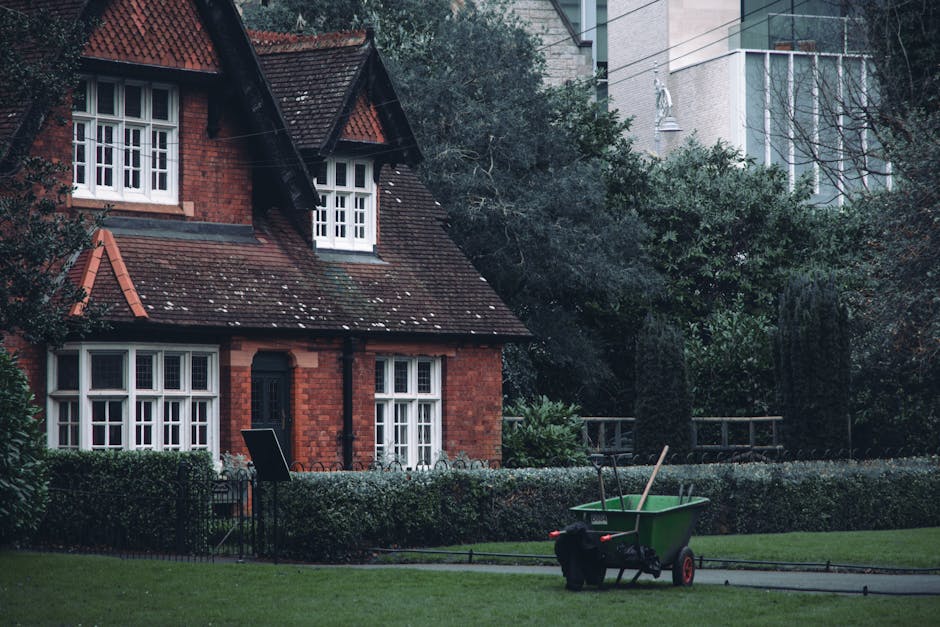
Garden maintenance near Norwood High Street free quotes: a practical local guide
If your garden near Norwood High Street is starting to look a bit tired, you are not alone. Between busy weeks, changeable weather, and the usual pile-up of leaves, a tidy outdoor space can slip down the list. That is where Garden maintenance near Norwood High Street free quotes becomes genuinely useful: it gives you a clear way to compare help, understand what is included, and move from "I should really sort that out" to an actual plan. This guide covers what garden maintenance involves, how quotes usually work, what to look for, and how to avoid paying for the wrong kind of service.
Let's face it, most people do not need a grand redesign. They need a lawn cut properly, borders kept under control, hedges shaped, waste removed, and a gardener who turns up when they say they will. Simple enough in theory. In practice, the details matter quite a lot.
Table of Contents
- Why Garden maintenance near Norwood High Street free quotes Matters
- How Garden maintenance near Norwood High Street free quotes Works
- Key Benefits and Practical Advantages
- Who This Is For and When It Makes Sense
- Step-by-Step Guidance
- Expert Tips for Better Results
- Common Mistakes to Avoid
- Tools, Resources and Recommendations
- Law, Compliance, Standards, or Best Practice
- Options, Methods, or Comparison Table
- Case Study or Real-World Example
- Practical Checklist
- Conclusion
- Frequently Asked Questions
Why Garden maintenance near Norwood High Street free quotes Matters
A well-kept garden is not just about appearances, although that is part of it. In a local high street setting, outdoor spaces face more wear than people often realise: footfall, road dust, shade from nearby buildings, compacted soil, and the usual stop-start rhythm of urban life. A neglected garden can quickly become harder to manage, more expensive to restore, and less pleasant to use.
Free quotes matter because they remove friction. You can ask what is included before you commit, and you can compare options without feeling pressured. That is especially useful if your garden has a mix of jobs: lawn mowing, hedge trimming, seasonal clearance, and maybe a bit of light pruning or landscaping advice. A quote should help you understand the scope, not confuse you further.
There is also a trust angle here. A good quote process shows how a company thinks. Do they ask sensible questions? Do they explain access, waste removal, and visit frequency? Do they talk through what is realistic for your garden, rather than promising everything for nothing? Those small clues tell you a lot.
For many local homeowners, landlords, and small businesses, the best starting point is not a one-off overhaul. It is steady upkeep. If you want to see how ongoing help is usually structured, the garden maintenance service overview is a useful place to begin, while the wider services overview helps you see how maintenance sits alongside clearance, hedge work, and other outdoor services.
How Garden maintenance near Norwood High Street free quotes Works
In most cases, the quote process is straightforward. You describe the garden, the jobs you need, and how often you want help. The gardener then either gives a rough estimate or arranges a visit so they can see the space properly. For a small front garden, a quick quote may be enough. For a larger back garden with overgrowth, awkward access, or repeated seasonal work, a visit is usually better.
A proper quote should normally consider:
- garden size and layout
- condition of the lawn, beds, hedges, and paths
- how often maintenance is needed
- whether waste needs to be taken away
- access issues such as side gates, narrow paths, or shared entrances
- any specialist work, like tree or hedge-related tasks
It helps to think of a quote as a plan, not just a price. If the garden needs regular mowing, lawn mowing may be priced as a repeat visit. If hedges are getting wild, hedge trimming might be separate, especially if ladders, reach tools, or waste disposal are involved. And if a garden has become cluttered after a long gap in upkeep, a one-off garden clearance can sometimes be the cleanest first step before maintenance begins.
A sensible gardener will explain where maintenance ends and heavier work begins. That matters. If a job is really about restoring a space rather than maintaining it, the quote should reflect that honestly. No one wants a surprise halfway through a job because the garden turned out to be more overgrown than first thought.
Key Benefits and Practical Advantages
The obvious benefit is a tidier garden. Fair enough. But there is more to it than that.
- Better first impressions. Whether you are welcoming guests, tenants, clients, or just yourself after a long day, a neat garden feels calmer.
- Less long-term work. Frequent light maintenance is usually easier than one huge rescue job later.
- Healthier plants and lawn areas. Trimming, weeding, and sensible pruning all help reduce competition and improve growth conditions.
- Improved usability. Paths, patios, and seating areas become easier to enjoy when they are not buried under leaves or overgrowth.
- Reduced stress. This one is underrated. A messy garden can nag at you in the background. Get it under control and the whole place feels lighter.
- Clear budgeting. Free quotes make it easier to compare recurring upkeep with one-off jobs, so you can choose what fits your needs.
There is also a practical advantage in local knowledge. A gardener familiar with the Norwood area will recognise common garden conditions: shaded corners, stubborn lawn patches, boundary hedges, and the odd space where bins, fences, and planting compete for room. That sort of experience can save time, and a bit of money too.
Expert summary: the best garden maintenance is not always the most dramatic. It is the kind that keeps a space healthy, tidy, and easy to live with week after week.
Who This Is For and When It Makes Sense
This service suits more people than you might expect. In our experience, the most common requests come from households that are busy, properties that have become overgrown after a break in care, and people who simply want a reliable pair of hands for the jobs they cannot keep up with anymore. And honestly, that is completely reasonable.
You may benefit from garden maintenance if you are:
- a homeowner who wants the garden tidy without spending every weekend on it
- a landlord or letting agent needing an outdoor area kept presentable
- an older resident who wants help with physical tasks
- a busy family juggling work, school runs, and everything else
- a business owner or premises manager with outdoor frontage to keep neat
- someone preparing to sell or let a property
It also makes sense if the garden has become a mix of small but annoying jobs. Maybe the lawn is okay, but the edges are messy. Maybe the hedges are fine from a distance, but close up they are doing their own thing. Maybe the beds need weeding, the patio needs clearing, and the whole space just feels unfinished. These are exactly the jobs that ongoing maintenance handles well.
If the work seems more like a larger transformation, you may be looking at landscaping rather than maintenance. That is where landscape gardening or broader landscaping might be more appropriate. Different job, different brief, and that distinction saves a lot of confusion.
Step-by-Step Guidance
If you want the smoothest possible quote and booking experience, follow a simple process. It does not need to be complicated.
- List the jobs clearly. Write down what you need done: mowing, hedge trimming, weeding, clearance, pruning, leaf collection, or general tidy-up.
- Take a few photos. Wide shots and close-ups help a gardener understand the size and condition of the work. Morning light is often best, oddly enough, because shadows can hide a fair bit.
- Say how often you want help. One-off visit? Fortnightly? Monthly? The more precise you are, the better the quote will be.
- Mention access and disposal. Can someone park nearby? Is there easy garden access? Should waste be removed or left bagged on site?
- Ask what is included. A quote should explain labour, waste removal if relevant, materials if any, and whether VAT applies if applicable.
- Compare like for like. Two quotes that look different may actually include different tasks. Compare scope, not just the final number.
- Confirm the schedule. Agree a start date, frequency, and expected duration of each visit.
- Review after the first visit. A good first job tells you whether the service is consistent and whether the quote matched the real workload.
A small tip here: if your garden needs several different things done, ask whether the gardener can prioritise the most urgent tasks first. You do not always need every corner handled in one go. Sometimes it is smarter to sort the lawn and hedges now, then deal with deeper bed work later. Bit by bit can work well.
Expert Tips for Better Results
If you want better value from a maintenance quote, a little preparation goes a long way.
- Be honest about the state of the garden. Understating the work usually leads to awkward revisions later.
- Separate maintenance from restoration. If the space has not been touched for months, say so. A gardener can then judge whether a clearance visit is needed first.
- Keep your priorities short and clear. "Lawn, hedge line, borders, waste removal" is easier to work with than a long ramble, helpful as the rambles may feel at the time.
- Ask about regularity. A lighter but frequent visit often keeps things neater than the occasional heroic tidy-up.
- Check what happens in winter. Garden needs change with the season. Leaves, damp, and slower growth all affect workload.
- Use maintenance to prevent bigger costs. Small, timely jobs can stop hedges, lawns, and beds from getting out of hand.
One thing that often surprises people is how much difference edging makes. A lawn can be perfectly healthy but still look untidy if the edges are rough. The same goes for hedges. A small amount of shaping often changes the whole feel of a space. It is a bit like a haircut, really. Tiny detail, big impact.
If waste handling matters to you, ask how green waste is managed and whether recyclable material is separated where appropriate. You can also read more about the approach to recycling and sustainability, which is a useful signal that a company is thinking beyond the immediate job.
Common Mistakes to Avoid
There are a few easy traps people fall into when arranging garden work. Nothing dramatic, but enough to cause frustration.
- Choosing only on price. The cheapest quote is not always the best value if it excludes waste removal or important tasks.
- Not checking the scope. "Garden maintenance" can mean very different things. Always confirm exactly what is included.
- Ignoring access issues. Tight access can affect time, labour, and cost.
- Mixing clearance with maintenance. A heavily overgrown garden may need a clearance-first approach.
- Forgetting seasonal changes. What works in spring may not suit late autumn, when leaf fall becomes relentless.
- Not asking about insurance or safety. This matters, especially if ladders, cutting tools, or tree-related work are involved.
Another common one: assuming every gardener will handle every outdoor task. Some will, some will not. For example, if a job involves higher hedges or trees, it is worth checking whether the relevant service is available, and whether it sits under maintenance or a more specialised offering such as tree lopping and removal. Better to ask early than discover the boundary later.
Tools, Resources and Recommendations
You do not need a shed full of gear to keep on top of garden maintenance, but a few basics help if you are doing part of it yourself.
- Sharp hand shears for light shaping and deadheading
- Rake and leaf bags for autumn clean-ups
- Hose or watering can for dry spells and newly planted areas
- Gloves and sturdy footwear for safety and comfort
- Basic notes or photos to track what has been done between visits
If you are planning to combine maintenance with improvements, it helps to look at the broader service range. For example, a garden may need routine upkeep now, but later benefit from a new patio edge or timber feature. In those cases, decking services may be relevant, especially if you want the outdoor space to feel more complete and easier to use.
For people who prefer to keep everything simple, a short written brief is the best resource of all. A few lines on what matters most to you can prevent muddle. Example: "Lawn cut, borders weeded, hedges trimmed lightly, waste taken away, every three weeks." Clear, calm, no drama. Lovely.
Law, Compliance, Standards, or Best Practice
Most garden maintenance is straightforward domestic work, but there are still sensible standards to follow. Reputable providers should work safely, communicate clearly, and avoid causing unnecessary damage to plants, boundaries, or neighbouring property. If tools, ladders, or tree-related cutting are involved, safe working methods matter even more.
In the UK, it is normal to expect:
- clear pricing and a defined scope of work
- care around access, walls, fences, paving, and planted areas
- safe handling of equipment and waste
- proper insurance where the work creates risk
- respect for neighbouring properties and shared spaces
If you are hiring help for work that might affect overhanging branches, tall hedges, or other higher-risk tasks, it is sensible to check the provider's approach to insurance and safety and to review the company's published health and safety policy. That is not being fussy. It is just good judgement.
You may also want to understand how pricing is described, what happens if the scope changes, and how payment is handled. A transparent payment and security page can help with that. Likewise, if you want to know how the company handles complaints or customer concerns, a clear complaints procedure gives extra reassurance.
Options, Methods, or Comparison Table
There are usually a few ways to approach local garden upkeep. The right one depends on how much time you have, how quickly the garden is changing, and whether the work is light, regular, or a bit beyond routine.
| Option | Best for | Typical strengths | Possible drawbacks |
|---|---|---|---|
| One-off maintenance visit | Gardens that need a reset or seasonal tidy-up | Quick improvement, good for problem areas | Does not stop regrowth for long |
| Regular maintenance plan | Homes and businesses that want a tidy look all year | Predictable, easier budgeting, less catch-up work | Needs ongoing commitment |
| Clearance first, then maintenance | Overgrown or neglected gardens | Most practical for heavy growth and clutter | Usually costs more at the start |
| Maintenance plus landscaping upgrades | Gardens that need upkeep and improvement | Improves function and appearance together | More planning required |
If your garden is neat but underused, a modest redesign can make a surprising difference. If it is unruly, though, start with clearance and maintenance before thinking about bigger changes. That sequence saves money and avoids trying to polish a problem that is still growing. Slightly obvious maybe, but easy to overlook.
Case Study or Real-World Example
Picture a typical Norwood High Street property: a compact front garden with a hedge line, a back garden with a lawn, a few beds, and a patch of leaf build-up near the fence. Nothing wild. But after a wet spell and a couple of busy months, the edges have gone ragged, the lawn looks patchy, and the beds are full of weeds that seem to have had a rather good time.
The owner asks for free quotes and sends a few photos. The gardener spots three separate tasks: a light tidy-up, hedge trimming, and waste removal. Rather than quoting for a full overhaul, they suggest a first visit to reset the space, followed by monthly maintenance to keep it under control. That advice changes the whole decision. Instead of paying for repeated heavy work, the owner switches to lighter, more regular care.
What made the difference? Clear photos, a realistic description, and a quote that matched the actual condition of the garden. Not fancy. Just practical. And practical wins most of the time.
Practical Checklist
Before you request or accept a quote, run through this checklist:
- Do I know exactly what needs doing?
- Have I separated routine maintenance from one-off clearance?
- Have I taken clear photos of the garden?
- Have I explained how often I want the work carried out?
- Do I know whether waste removal is included?
- Have I asked about access and parking?
- Do I understand whether special work is needed for hedges, trees, or heavier overgrowth?
- Have I checked the company's pricing, safety, and payment information?
- Am I comparing quotes on the same basis?
- Have I asked what happens if the scope changes on the day?
If that all feels a bit much, don't worry. It only takes a few minutes once you know what to look for. And those few minutes can save a lot of back-and-forth later.
Get a free quote today and see how much you can save.
Conclusion
Garden maintenance near Norwood High Street free quotes is really about making outdoor care easier to understand and easier to act on. The quote gives you clarity, the service gives you consistency, and together they help turn a neglected or busy garden into a space that feels manageable again.
The best results usually come from clear communication, honest scope, and a realistic plan. If your garden only needs regular mowing and the odd tidy, keep it simple. If it needs a reset first, say so. If you want ongoing support, build from there. There is no prize for making it harder than it needs to be.
And if you are still weighing up your options, that is fine too. A good outdoor space is rarely created in one big leap. It is usually built through a handful of sensible decisions, made one after another, until the whole garden starts to breathe again. That is the nice bit, really.
Frequently Asked Questions
What does garden maintenance usually include?
It commonly includes lawn care, border tidying, weeding, hedge trimming, light pruning, leaf collection, and general tidiness. The exact scope depends on the garden and the provider.
Are free quotes really free?
They should be. A free quote means you can ask for an estimate or site visit without paying for the assessment itself. If anything extra is involved, that should be explained clearly in advance.
How quickly can I get a quote for my garden?
Often quite quickly, especially if you can send photos and a short description. If the garden is larger, overgrown, or awkward to access, a visit may be needed before a proper price can be given.
Should I ask for maintenance or garden clearance first?
If the garden is heavily overgrown, clearance may come first. If it is mostly tidy but needs regular upkeep, maintenance is probably the right fit. A good provider should help you decide.
Can I get a quote without a site visit?
Yes, sometimes. A photo-based estimate can work for smaller or simpler jobs. For bigger gardens or more complex work, a visit is usually more accurate.
How often should a garden be maintained?
That depends on the size of the garden, the season, and how fast things grow. Many people choose fortnightly or monthly visits, but some only need seasonal help.
What if my hedge or tree work is more than maintenance?
Then it may need a specialist service rather than routine upkeep. It is sensible to ask early if the work might involve taller hedges, heavier cutting, or extra safety considerations.
Will the quote include waste removal?
Not always. Some quotes include green waste removal, while others price it separately. Always check, because that can make a noticeable difference to the final cost.
What should I prepare before asking for a quote?
Take a few photos, make a list of the jobs you want done, and note any access issues. If you can explain what matters most to you, the quote will usually be more accurate.
How do I know if a gardener is trustworthy?
Look for clear communication, a sensible scope of work, proper safety information, and transparent pricing. If something feels vague, ask more questions. Trust is built in the details.
Can garden maintenance improve kerb appeal?
Absolutely. Even modest work like mowing, edging, and hedge trimming can make a front garden look much more cared for. It is one of the quickest ways to improve the feel of a property.
Is regular maintenance better than one-off jobs?
Usually yes, if you want a consistently tidy garden. One-off work is useful for a reset, but regular visits often save time and reduce the need for bigger interventions later.
For more about the company behind these services, you can also review the about us page or send an enquiry through the contact us page when you are ready. A calm, well-kept garden has a funny way of improving the whole week, not just the view from the window.